Category: Dental Care

Dental health tips and advice from The Oral Edit, Viman Nagar, Pune

  • How Much Does Dental Treatment Cost in Pune? A Simple Guide

    “How much will it cost?” is usually the first question patients ask before any dental treatment. The honest answer is: it depends on your teeth, the materials used and how complex the treatment is. This guide explains what affects dental costs in Pune and gives approximate ranges for common treatments at our clinic in Viman Nagar.

    What decides the cost of dental treatment?

    • Complexity: a simple filling is very different from a multi-canal root canal or a full smile makeover.
    • Materials: composite, porcelain, zirconia and titanium all differ in price and durability.
    • Technology: digital X-rays, scanners and a dental microscope improve precision and comfort.
    • Dentist’s experience: specialised training and experience affect both outcome and fee.
    • Lab work: crowns, aligners and implants involve laboratory costs.

    Approximate dental treatment costs in Pune

    TreatmentEstimated costApprox. cost (USD)
    Consultation & X-ray₹500 – ₹1,000~$6 – $11
    Scaling & polishing₹1,500 – ₹2,500~$17 – $28
    Tooth-coloured filling₹1,500 – ₹3,000 per tooth~$17 – $33 per tooth
    Teeth whitening₹10,000 – ₹15,000~$110 – $165
    Root canal treatment₹6,500 – ₹10,000 per tooth~$72 – $110 per tooth
    Crown / cap₹5,000 – ₹15,000 per tooth~$56 – $165 per tooth
    Fixed braces₹60,000 – ₹90,000~$665 – $1,000
    Clear aligners₹60,000 – ₹2,50,000~$665 – $2,780
    Dental implant₹25,000 – ₹50,000 per tooth~$280 – $555 per tooth

    These prices are indicative and may change with materials and case complexity. An exact quote is given after a clinical evaluation. USD amounts are approximate, based on about ₹90 per US dollar, and change with the exchange rate. See our full treatment costs page.

    How to avoid surprises in your dental bill

    1. Ask for a complete cost breakdown before starting.
    2. Check whether follow-up visits and X-rays are included.
    3. For bigger treatments, ask for a phased plan.
    4. Visit your dentist every six months. Early treatment is almost always cheaper.

    Looking for dental care in Viman Nagar? Explore our dental services or book a consultation with Dr. Anushree Talnikar for a clear plan and estimate.
  • Braces or Clear Aligners in Viman Nagar: Which Is Right for You?

    Braces or Clear Aligners in Viman Nagar: Which Is Right for You?

    Choosing between braces and clear aligners in Pune comes down to your teeth, your lifestyle and your goals. Both can give you a straighter smile, but they work differently and suit different people. This guide explains the options so you can have a more informed conversation with your dentist.

    Why straighten your teeth?

    A straighter smile is about more than appearance. Crooked, gapped or crowded teeth don’t have to be a lifelong compromise, and straightening them can bring real everyday benefits:

    • Straighter teeth are easier to brush and clean between, which supports healthy gums.
    • A well-aligned bite is more comfortable when you chew.
    • Many people simply feel more confident when they smile.

    Your options at a glance

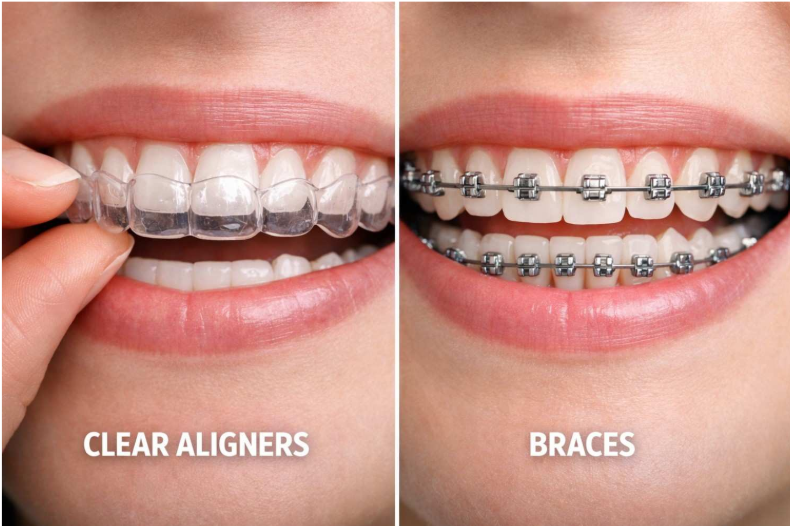
    • Metal braces: the most visible option, and a dependable choice for many kinds of correction, including more complex cases.
    • Ceramic braces: tooth-coloured brackets that are subtler than metal.
    • Clear aligners: removable, clear plastic trays that are nearly invisible when worn.

    Braces or clear aligners in Pune: how to choose

    There is no single best option, because the right choice depends on you. These are the main things your dentist will consider with you:

    • How much movement is needed: braces handle more complex misalignments reliably, while clear aligners work well for many mild to moderate cases.
    • Your lifestyle: aligners are removable for eating and brushing, but they only work if you wear them as advised.
    • Appearance: if looking discreet matters to you, ceramic braces or aligners may appeal more than metal.
    • Food and cleaning: braces mean avoiding very hard or sticky foods and cleaning carefully around the brackets.
    • Budget and timeline: we will talk through what suits your bite, budget and timeline before any treatment begins.

    How clear aligners work

    Clear aligners are a series of custom-made trays. Each tray moves your teeth a little, and you change to the next tray in the series as your teeth gradually shift. You wear them for most of the day and take them out to eat, drink and brush. Because they are removable, wearing them consistently is what makes them work.

    What to expect with braces

    Braces use small brackets attached to your teeth, joined by a wire that is adjusted at regular visits to guide your teeth into position. Mild soreness after an adjustment is common and usually settles within a few days. Good cleaning habits matter even more with braces, since food can collect around the brackets.

    How long does treatment take?

    Treatment time varies from case to case, typically ranging from several months to a couple of years, depending on how much correction is needed. With either braces or clear aligners in Pune, regular check-ins and honest timelines help you know what to expect along the way.

    Is there an age limit?

    There is no strict age limit. Both teenagers and adults get braces and aligners. The right time depends on dental development, which can be assessed with a simple examination.

    Caring for your teeth during treatment

    • Brush after meals and before bed, and clean between your teeth daily.
    • With braces, avoid very hard or sticky foods that can damage brackets and wires.
    • With aligners, clean the trays as advised and wear them for the recommended time.
    • Keep your regular check-ups and adjustment visits.
    • Wear your retainers after treatment as advised, because they help hold your new smile in place.

    A straighter smile is a long-term investment, and we treat it that way. You can read more about our braces and clear aligners in Viman Nagar, Pune, or book a consultation for braces or clear aligners in Pune on WhatsApp to find out what your treatment plan could look like.

  • Dental Implants in Viman Nagar: Who Needs Them and What to Expect

    Dental Implants in Viman Nagar: Who Needs Them and What to Expect

    Dental implants in Pune are one of the most requested ways to replace a missing tooth, because they look, feel and work much like natural teeth. If you have lost a tooth, or several, this guide explains what implants are, who they suit and what the process looks like from the first visit to the final crown.

    What is a dental implant?

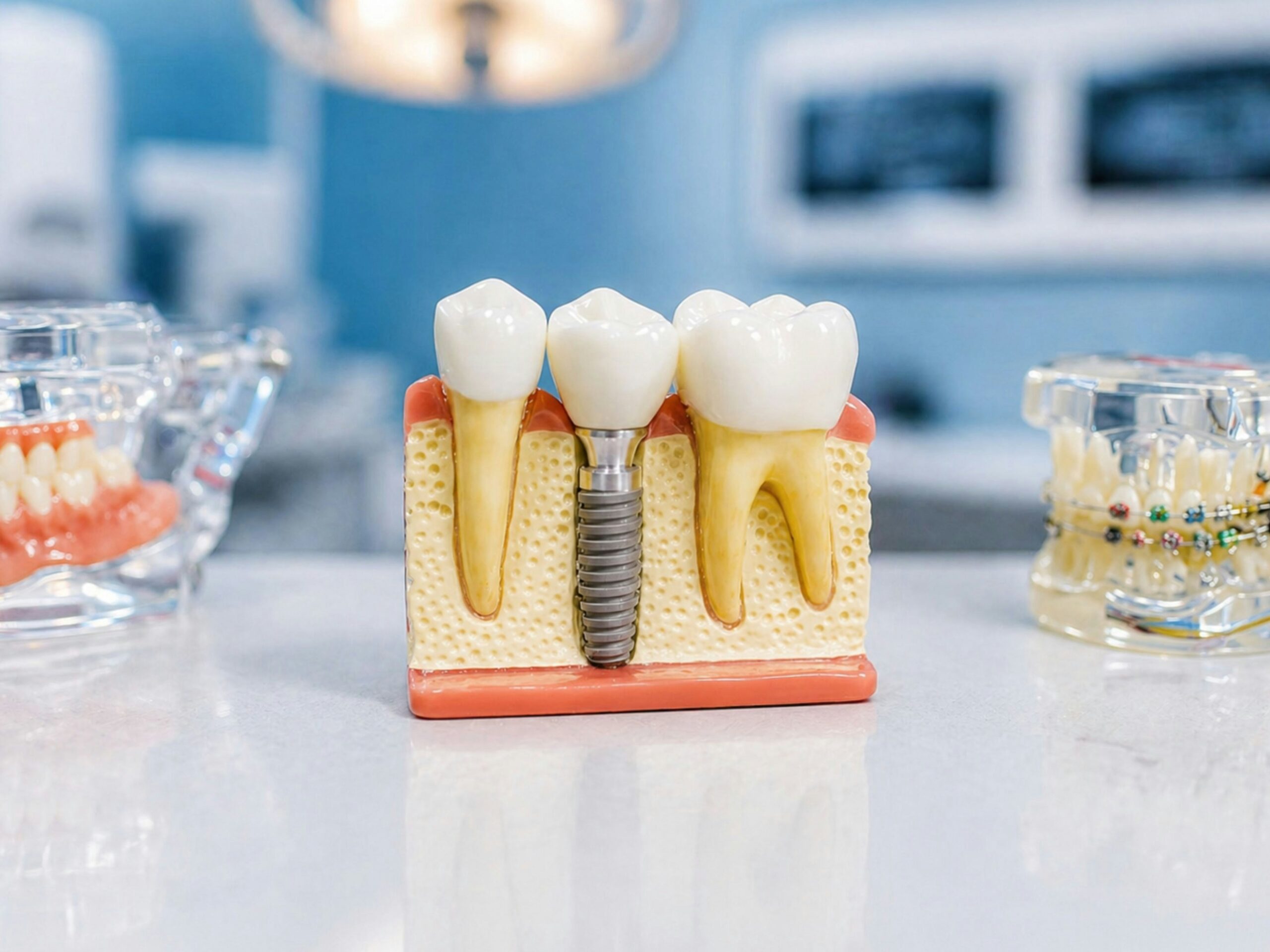
    A dental implant is a small post, usually made of titanium, that is placed in the jawbone to act as an artificial tooth root. Over time the implant integrates with the bone, giving a firm base. A crown, bridge or denture is then attached on top, so the new tooth is held in place without relying on the teeth around it.

    Why replace a missing tooth?

    Missing teeth can affect how you eat, speak and smile, and the gap can cause further problems over time:

    • Chewing becomes harder, which can limit what you enjoy eating.
    • Neighbouring teeth may slowly drift into the gap and change your bite.
    • The jawbone in the area can shrink when there is no tooth root to support it.
    • Many people feel less confident smiling or speaking.

    Types of implant treatment

    • Single tooth implant: replaces one missing tooth with an implant and a crown.
    • Implant-supported bridge: replaces several teeth in a row using a small number of implants.
    • Full mouth implants: a solution for extensive tooth loss, planned around your bite and jaw structure.

    Who is a good candidate?

    Most healthy adults with enough jawbone can have dental implants, but every mouth is different. A detailed assessment during your consultation will confirm whether implants are right for you. Gum disease is usually treated first, and it helps to tell your dentist about your medical history and whether you smoke, as these can affect healing.

    The implant process, step by step

    1. A consultation and examination, including X-rays or scans, to check your teeth, gums and jawbone.
    2. A treatment plan that matches your bite, jaw structure and long-term comfort.
    3. Placement of the implant under local anaesthesia.
    4. A healing period while the implant integrates with the bone. This often takes a few months, though the exact timeline depends on your case.
    5. Fitting of the final crown, bridge or denture.
    6. Follow-up visits to check that everything is healing and working well.

    Is the treatment painful?

    The procedure is done under local anaesthesia, so discomfort during placement is minimal. Some soreness for a few days afterwards is normal and can usually be managed with medication, as advised by your dentist.

    How long do implants last, and how do you care for them?

    With good oral hygiene and regular check-ups, dental implants can last many years, often decades, which makes them a durable option for replacing missing teeth. To protect your investment:

    • Brush twice a day and clean between your teeth daily.
    • Keep up your six-monthly check-ups and cleanings.
    • Avoid biting very hard objects such as ice or packaging.
    • Avoid smoking, which can slow healing and affect the gums around the implant.

    Implants compared with dentures and bridges

    Removable dentures and conventional bridges can also replace missing teeth, and they may suit some people better. Unlike removable options, implants integrate with your jawbone for a result that looks, feels and functions like a natural tooth. The right choice depends on your jawbone, gum health, timeline and budget, and your dentist will walk you through the options before any treatment begins.

    If a missing or damaged tooth has been holding you back, book a consultation to find out whether implants are right for you. You can read more about our dental implants in Viman Nagar, Pune, or contact us on WhatsApp to book.

  • How Often Should You Visit the Dentist? A Simple Guide

    How Often Should You Visit the Dentist? A Simple Guide

    A regular dental check-up in Viman Nagar catches problems early, yet many people only see a dentist when something hurts. By then, a small problem has often become a bigger one. Early treatment is simpler, quicker and usually more comfortable.

    The general rule: every six months

    A check-up and cleaning every six months is generally recommended, even if nothing feels wrong. Some people benefit from more frequent visits, such as those with gum disease, a history of frequent cavities, or braces and aligners. Your dentist can tell you what suits you best.

    What happens at a dental check-up in Viman Nagar

    • An examination of your teeth, gums and mouth.
    • A professional cleaning to remove plaque and tartar that brushing cannot reach.
    • X-rays when they are needed.
    • Personalised advice for looking after your teeth at home.

    A typical visit also includes treatment of early problems like small cavities, gum inflammation or minor tooth damage, all in one place.

    Signs you shouldn’t wait for your next check-up

    • Persistent tooth pain or sensitivity.
    • Swelling in the gums or face.
    • Bleeding gums that won’t stop.
    • A broken or chipped tooth.
    • A loose filling or crown.

    If you notice any of these, message the clinic right away so you can be seen sooner.

    Simple habits between visits

    • Brush twice a day with fluoride toothpaste for two minutes.
    • Clean between your teeth daily with floss or interdental brushes.
    • Limit sugary snacks and drinks, especially between meals.
    • Never use your teeth to open packets or bottles.
    • Replace your toothbrush every three months.

    What your dentist looks for

    A check-up is more than a quick look. Your dentist checks for:

    • Early cavities that are not yet painful.
    • Gum inflammation or bleeding, which can be an early sign of gum disease.
    • Worn, chipped or cracked teeth, including signs of night-time grinding.
    • Fillings or crowns that are loose or wearing down.
    • Any changes in the lips, tongue and cheeks that need follow-up.

    Why prevention is easier than repair

    A small cavity can often be treated quickly with a simple filling. Left alone, the same cavity can reach the nerve of the tooth and may need a root canal or a crown. Regular visits give small problems a chance to be treated while they are still small, which is usually more comfortable and takes less time.

    Check-ups for children and families

    Children benefit from visiting the dentist early, so that visits feel normal rather than frightening. Many dentists suggest a first visit when the first teeth appear or around the first birthday. Families can often book check-ups together, which makes it easier for everyone to keep to a six-month routine.

    Tips for a stress-free visit

    • Tell the dentist if you feel nervous; they can go slowly and explain each step.
    • Book at a time when you are not rushed.
    • Write down any questions or symptoms before you come.
    • Message us on WhatsApp to book, so we can set aside enough time for you.

    What if it has been a while since your last visit?

    Many people put off the dentist for a year or more, and there is no need to feel embarrassed about it. A thorough check-up is the best place to start. The dentist can look at the whole picture, tell you honestly what needs attention first, and help you plan treatment in manageable steps so it never feels overwhelming.

    Easy to fit into a busy week

    The Oral Edit is open Monday to Saturday, 10:00 AM to 9:00 PM, with Sunday visits by prior appointment. That makes it easier to fit a dental check-up in Viman Nagar around work or school. The fastest way to book is WhatsApp, and we confirm your slot within minutes.

    Looking after your teeth is much easier when small problems are caught early. Learn more about our general dentistry services in Viman Nagar, or book your dental check-up in Viman Nagar on WhatsApp.

  • Is Root Canal Treatment Painful? What to Expect at Our Dental Clinic in Viman Nagar

    Is Root Canal Treatment Painful? What to Expect at Our Dental Clinic in Viman Nagar

    Few dental words cause as much worry as “root canal”, but modern root canal treatment in Pune is very different from its reputation, and for most patients it feels much like getting a filling.

    Why a root canal is needed

    Inside every tooth is soft tissue called the pulp. When deep decay, a crack or an injury lets bacteria reach it, the pulp can become infected. This is what usually causes severe toothache, lingering sensitivity to hot and cold, or swelling near the tooth. A root canal removes the infected pulp, cleans the inside of the tooth and seals it, so you can keep your natural tooth instead of losing it.

    Is root canal treatment in Pune painful?

    The pain most people remember is the toothache that comes before treatment, not the treatment itself. The tooth is numbed with local anaesthesia, so you should feel pressure but not pain during the procedure. Mild soreness for a day or two afterwards is common and is usually managed with simple medication as advised by your dentist.

    How a dental microscope helps

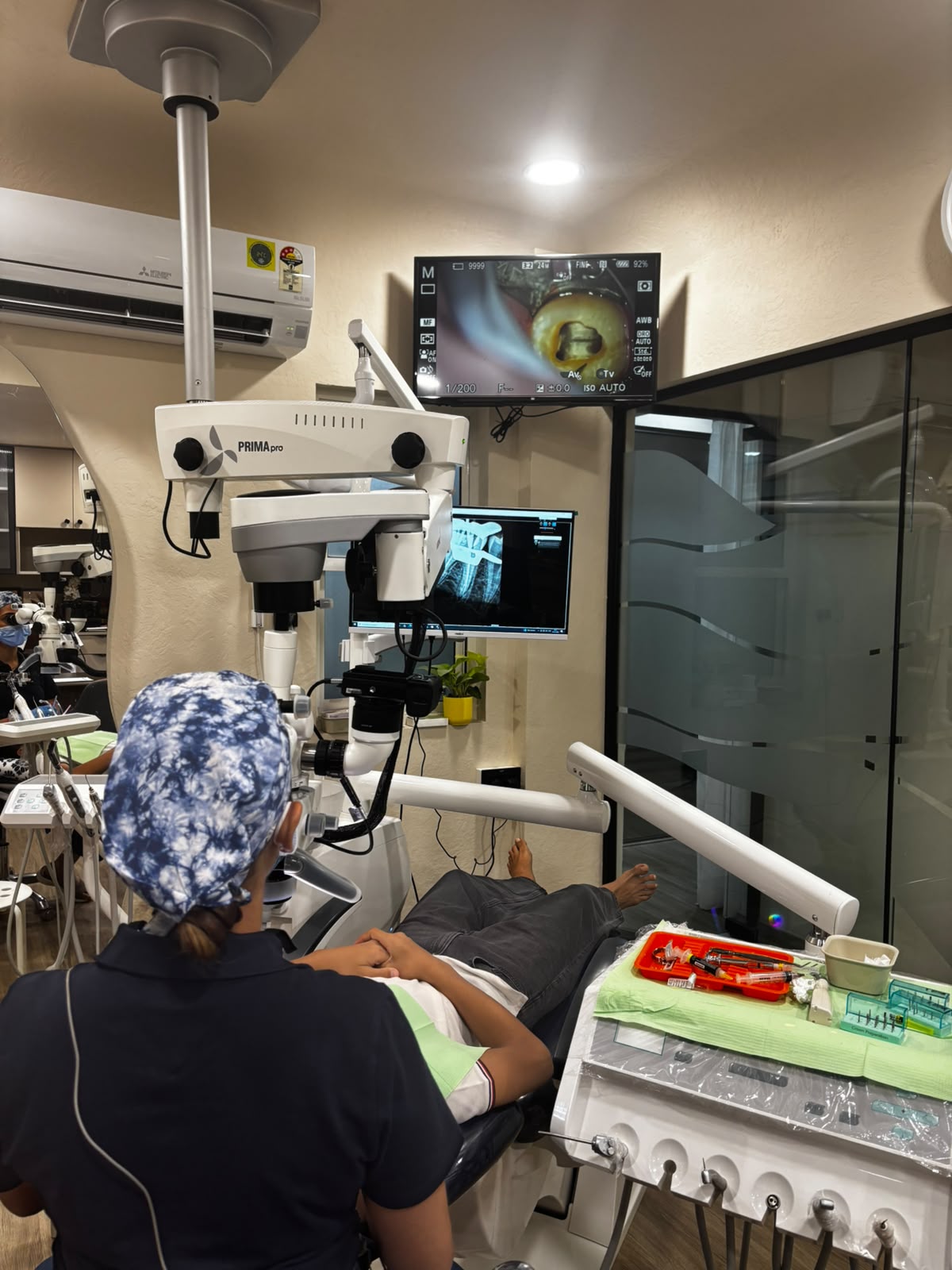
    Root canals are tiny, often curved and sometimes hidden. A dental operating microscope magnifies and lights up the inside of the tooth, which helps the dentist find every canal, clean it thoroughly and avoid removing healthy tooth unnecessarily. At The Oral Edit, root canal treatment in Pune is performed under a microscope by Dr. Anushree Talnikar, MDS in Conservative Dentistry & Endodontics.

    What to expect, step by step

    1. Examination and X-ray to confirm the problem.
    2. Local anaesthesia so the area is fully numb.
    3. Careful removal of the infected pulp and cleaning of the canals.
    4. Filling and sealing of the canals.
    5. A filling or crown to protect the tooth and restore full chewing function.

    Many straightforward cases can be completed in a single visit, while more complex ones may need two, depending on the condition of the tooth.

    Looking after your tooth afterwards

    • Avoid chewing hard foods on that side until the permanent filling or crown is placed.
    • Brush and floss as usual.
    • Take medicines only as your dentist advises.
    • Contact the clinic if you notice swelling, severe pain or a loose filling.

    Signs you may need a root canal

    Not every toothache means a root canal, but some signs deserve a proper check-up:

    • Pain when biting or chewing.
    • Sensitivity to hot or cold that lingers after the drink or food is gone.
    • A tooth that is darkening or changing colour.
    • A small bump on the gum near the tooth.
    • Swelling or tenderness around the tooth or in the face.

    Common myths about root canal treatment

    • “It is better to pull the tooth.” Keeping your natural tooth is almost always better for chewing, your bite and the neighbouring teeth than extraction.
    • “If the pain stopped, the tooth is fine.” Pain can ease when the nerve inside the tooth dies, but the infection may still be there and can return as swelling later.
    • “Root canals make you ill.” This is an old claim that has not held up to scientific scrutiny. Root canal treatment removes infection; it does not cause it.

    Why a crown is often recommended afterwards

    A tooth that has had a root canal can be more fragile, especially a back tooth that does most of the chewing. A crown covers and protects the tooth so it can last for years. Your dentist will advise whether a filling or a crown is the better choice for your tooth.

    Don’t wait for the pain to get worse

    An infected tooth rarely heals on its own, and waiting usually means more discomfort and more complex treatment. If you have tooth pain, sensitivity or swelling, book a check-up. You can read more about our root canal treatment in Pune at our Viman Nagar clinic, or contact us to book on WhatsApp.

  • Teeth Whitening: Is It Safe for Your Enamel?

    Teeth Whitening: Is It Safe for Your Enamel?

    Teeth whitening in Pune is one of the most common reasons people visit a cosmetic dentist, and a very common question follows: will whitening damage my teeth? Here is a straightforward answer.

    Is professional teeth whitening in Pune safe?

    Yes. When it is done professionally under a dentist’s supervision, whitening is safe and does not damage healthy enamel. The key words are “professionally” and “healthy”: your dentist first checks that your teeth and gums are suitable before starting.

    Why see a dentist instead of using a kit

    • Your dentist checks for cavities, gum problems and old fillings first.
    • The strength of the whitening product is controlled and matched to your teeth.
    • Your gums and soft tissues are protected during treatment.
    • Results tend to be more even, and any sensitivity can be managed.

    Who may need to wait or choose another option

    • If you have cavities or gum disease, these should be treated first.
    • If your teeth are very sensitive, you may need a gentler plan.
    • Crowns, veneers and fillings do not change colour with whitening, so they may need to be matched afterwards.
    • If you are pregnant or breastfeeding, ask your dentist before starting.

    What to expect

    Your visit usually starts with an examination and cleaning, followed by the whitening treatment and aftercare advice. Some people notice mild, temporary sensitivity, which usually settles within a short time. Let your dentist know if it bothers you.

    Making your results last

    • Limit tea, coffee, red wine and tobacco, especially in the first few days.
    • Brush twice a day and clean between your teeth daily.
    • Keep up regular check-ups and cleanings.
    • Ask about touch-ups when you start to notice colour returning.

    Why teeth change colour

    • Food and drink: tea, coffee, red wine and some sauces can stain enamel over time.
    • Tobacco: smoking and chewing tobacco cause stubborn surface stains.
    • Ageing: as enamel wears thinner, the naturally yellower layer underneath shows through.
    • Old fillings or past injuries: a single darker tooth often needs a different treatment from general whitening.

    Whitening toothpaste versus professional whitening

    Whitening toothpastes mainly polish away surface stains. They can help keep a smile looking fresh, but they do not change the natural shade of your teeth as much as professional whitening does. If you want a noticeable change, a dentist-supervised treatment is the more reliable route.

    Is whitening the only way to a brighter smile?

    Not always. Depending on your teeth, polishing, dental bonding, veneers or a complete smile makeover may suit you better, especially if teeth are chipped, uneven or discoloured from within. A short consultation helps you choose the option that fits your goals.

    Questions to ask before you start

    • Am I a good candidate for whitening?
    • How sensitive might my teeth be, and what can I do about it?
    • How long might my results last?
    • What should I avoid eating and drinking afterwards?

    Whitening and sensitive teeth

    Some people notice a mild, short-lived sensitivity to cold during or after whitening. For most people it settles quickly. If your teeth are already sensitive, tell your dentist beforehand so the treatment can be planned more gently, and ask whether a desensitising toothpaste would help. Repeating whitening too often can increase sensitivity, so ask your dentist how often touch-ups are right for you.

    Cosmetic care that fits your smile

    At The Oral Edit in Viman Nagar, Dr. Anushree Talnikar plans cosmetic treatments around your own smile goals, from teeth whitening in Pune to bonding, veneers and complete smile makeovers. Every plan starts with an examination, so you know what to expect before you decide anything.

    A natural, healthy-looking smile starts with a proper assessment. Read about our cosmetic dentistry in Viman Nagar, Pune, or book a teeth whitening consultation in Pune on WhatsApp.